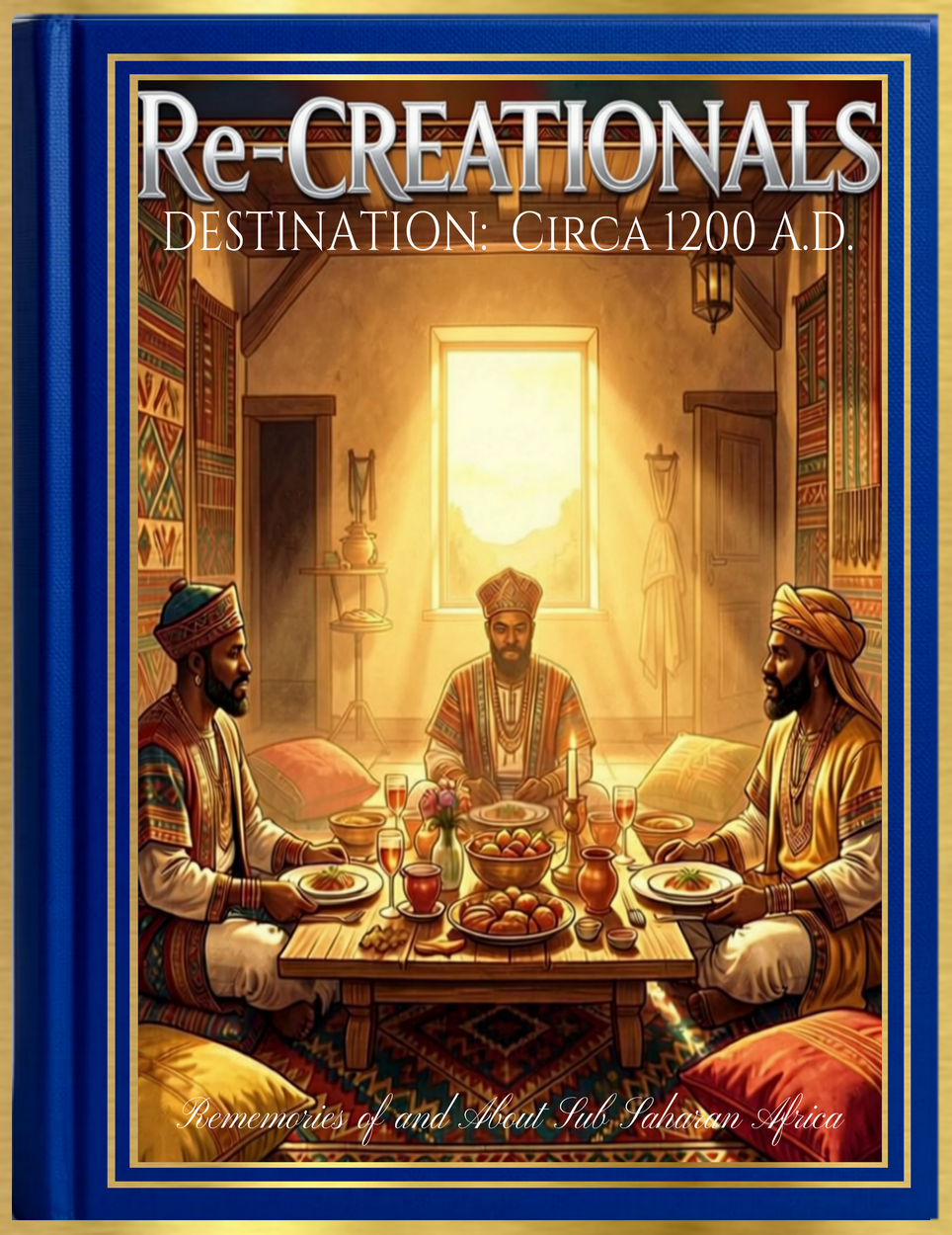
Batter Up ! Passing The Most Important Heirlooms to New Generations
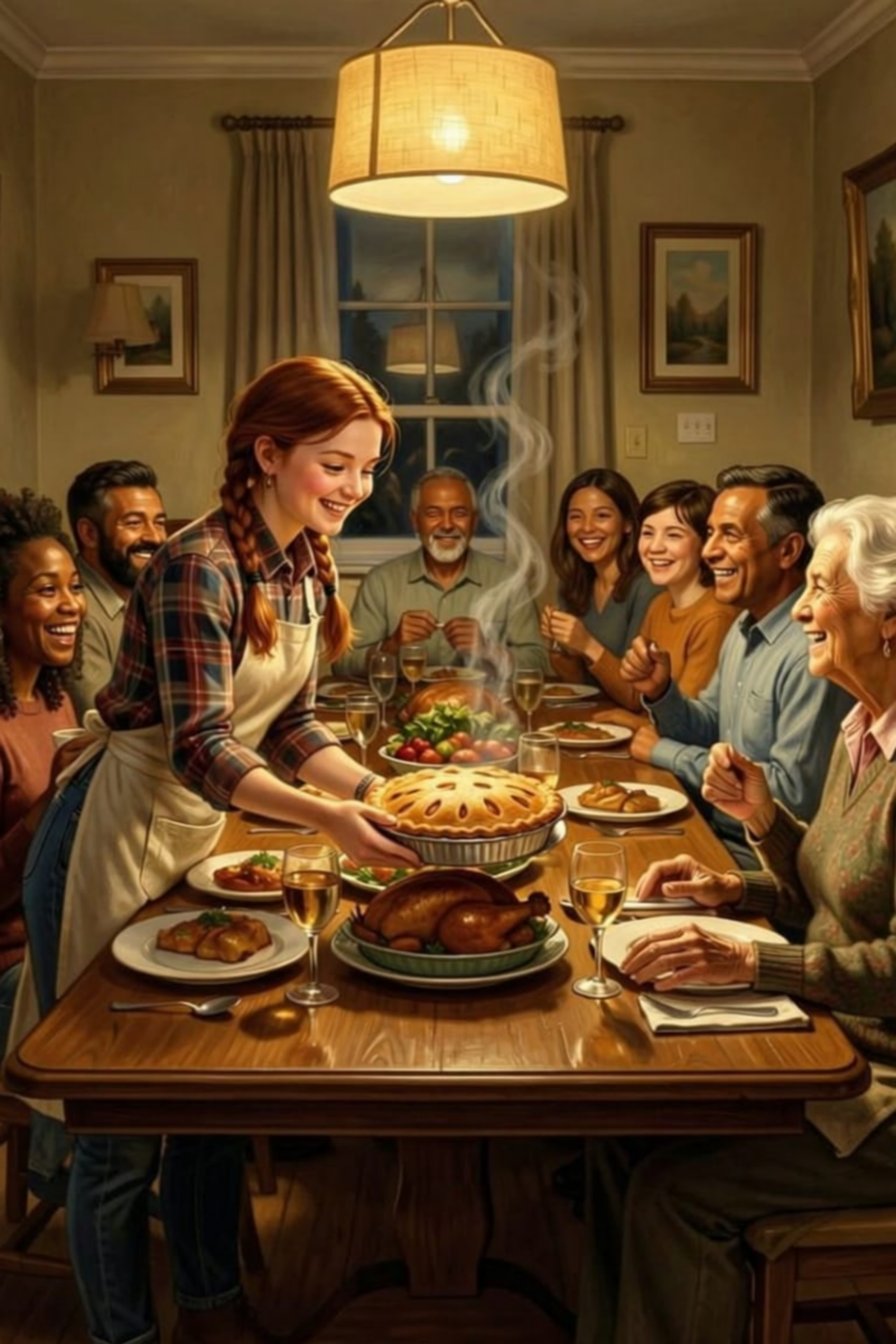
Sharing family lore and cherished recipes are essential for maintaining intergenerational connections and preserving heritage. Narratives and culinary treasures often serve as living documents, encapsulating the shared values, triumphs, challenges, and celebrations that shape a family's unique history.
They foster a sense of pride and participation in the perpetuation of cultural legacies. Cooking together and recounting anecdotes not only strengthens familial bonds but also enrich individuals’ understanding of their lineage's contributions to society.
These practices have psychological benefits, by offering stability
and resilience through familiar rituals that anchor individuals
during times of change or adversity.
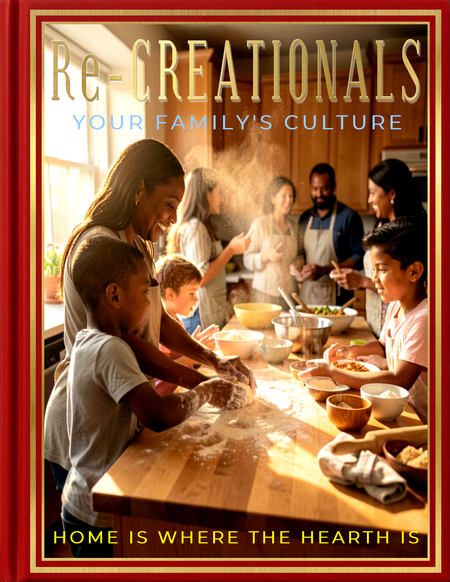
Home Is Where The Hearth Is
Channeling the excitement and energy of a novice baker is a challenge that shouldn't detract from the life-long memories that are born in home kitchens.
Home Is Where The Hearth Is provides basic information about techniques and safety for novice bakers and recipes for treats that divide the functions
into "Protégé Jobs" and "Mentor Jobs". This structured division of labor turns "helpers" into respected "chefs".
This team effort will create warm, tasty treats, but even warmer family tales and even tastier memories that will brighten many days,
for many people, for a very long time to come.

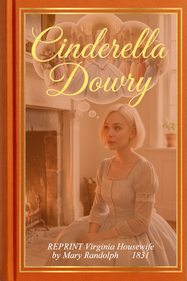
The Virginia Housewife by Mary Randolph 1834 Edition
Known for its blend of practicality and refinement, this cookbook is celebrated for democratizing access to sophisticated cooking techniques and recipes that were once the privilege of the elite.
It comprises a comprehensive repertoire of dishes ranging from hearty Southern staples to detailed French-influenced cuisine, reflecting Randolph's versatile culinary expertise.
Not only does it emphasize efficient kitchen management and seasonal ingredient usage, but it also provides instructions imbued with clarity and precision—a pioneering approach during its time.
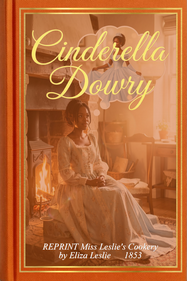
Miss Leslie's Complete Cookery by Eliza Leslie Expanded 1853 Edition
"Miss Leslie's Complete Cookery" by Eliza Leslie, first published in 1837, contains a diverse collection of over 500 recipes ranging from simple everyday meals to more intricate dishes, reflecting the broad spectrum of culinary practices during that era.
Leslie's pragmatic yet engaging prose provides clear and concise instructions that were invaluable to both novice and experienced cooks navigating the evolving culinary landscape of post-colonial America.
The book not only encapsulates a wide variety of regional foods and European influences but also emphasizes the importance of domestic economy through detailed budget management tips meant for early American households.
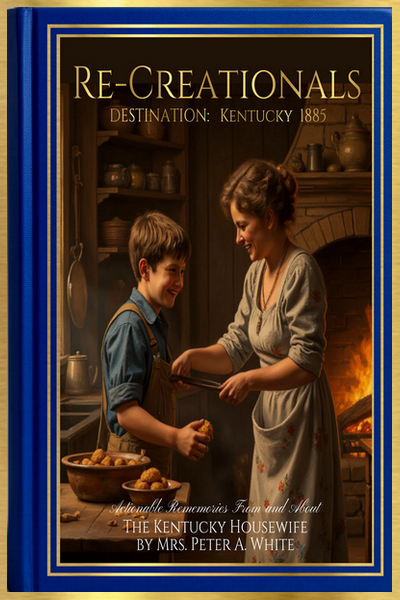
The Kentucky Housewife by Mrs. Peter A. White 1885 Edition
"The Kentucky Housewife" by Mrs. Peter A. White, published in 1885, exemplifies a cornerstone of regional American culinary literature from the late 19th century. This cookbook serves not only as a practical guide for homemakers of the era but also as a cultural artifact that preserves the traditional Southern cuisine of Kentucky.
Its narrative is interwoven with domestic advice, emphasizing thriftiness, hospitality, and resourcefulness. Through detailed instructions on food preparation and preservation techniques, "The Kentucky Housewife" offers readers an authentic glimpse into post-Civil War domestic life.
I'll Tell you Who They Really Were.
The foods and recipes of the past help us understand how societies were structured, what resources they had access to, and what values they held.
We are compiling guides to the celebration foods that were part of the culture of people and events that are outlined in "Dreamweavers" and "The Playlist".
Selections are suitable for a memorable family meal
or a vintage-era theme party.
share intriguing similarities that reflect human
sociocultural patterns surrounding food.
Both contexts highlight the importance of showcasing abundance
and variety, which serve as indicators of status and prosperity.
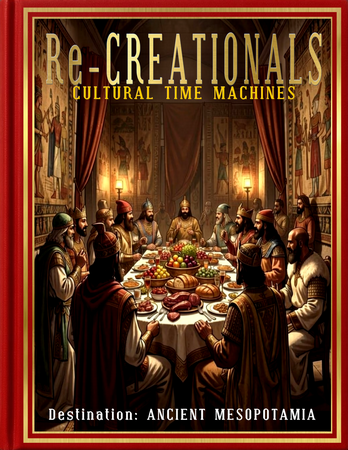
Mesopotamian royal feasts featured a diverse array of foods, incorporating meats and grains such as barley and wheat, fruits including figs
and dates, alongside ale—a precursor to today's beers.
In contemporary America, an emphasis on balanced meals featuring proteins (beef or chicken), carbohydrates (varied grains), vegetables,
and often sugary desserts parallels these ancient celebrations.
Where Mesopotamian rulers used feasts to consolidate power among elites, modern American family gatherings over communal meals retain similar cohesive functions amidst differing societal structures.
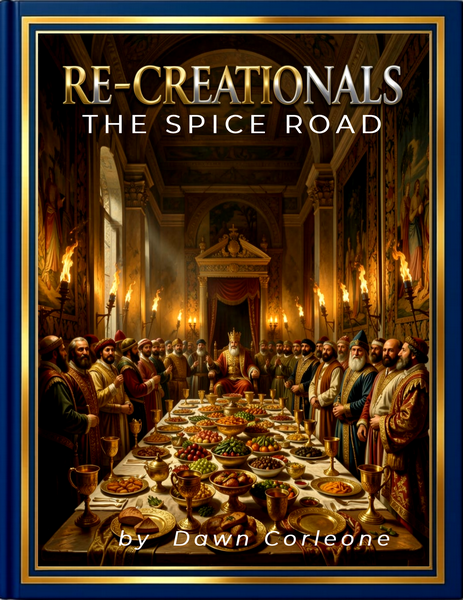
The lucrative spice trade enriched local economies while exposing them to diverse religious practices, languages, and technological innovations from distant lands such as India and Arabia. The cross-cultural interactions fostered along the Spice Road significantly shaped ancient Israel's societal dynamics by introducing new culinary practices, artistic expressions, and even governance structures influenced by far-flung civilizations. Those influences merged with ancient European cultures, creating what we now refer to as "Western Culture".
Traders from across the Islamic world ventured southward into wealthy West African empires like Ghana and Mali to procure gold—its abundance fuelling currencies elsewhere—and transported Islamic culture and technology northwards through merchant interactions.
This symbiotic relationship underscored Sub-Saharan Africa's role not only as an economic linchpin but also as a significant cultural mediator contributing substantially to medieval globalization processes.